Algorithmic Sabotage: How the X Algorithm Dismantles the Social Network and Undermines Free Speech
System Error: The Algorithmic Dangers of Automated Moderation

What began as an attempt to restore the reach of my flagged account has evolved into an investigative examination of the mechanisms of algorithmic isolation. Based on my observations and data comparisons, it is evident that X is currently undergoing a process of “algorithmic sabotage.”The platform’s automated moderation systems—ostensibly designed for “safety”—instead systematically undermine social ties and interactions, and will ultimately inflict economic damage on the platform.
My last report demonstrates that even the highest level of identity verification—the Premium+ subscription—offers no protection against being placed in “quarantine” by the algorithmic security system, which is prone to false positives.

1. Reputation-based influence on algorithmic moderation
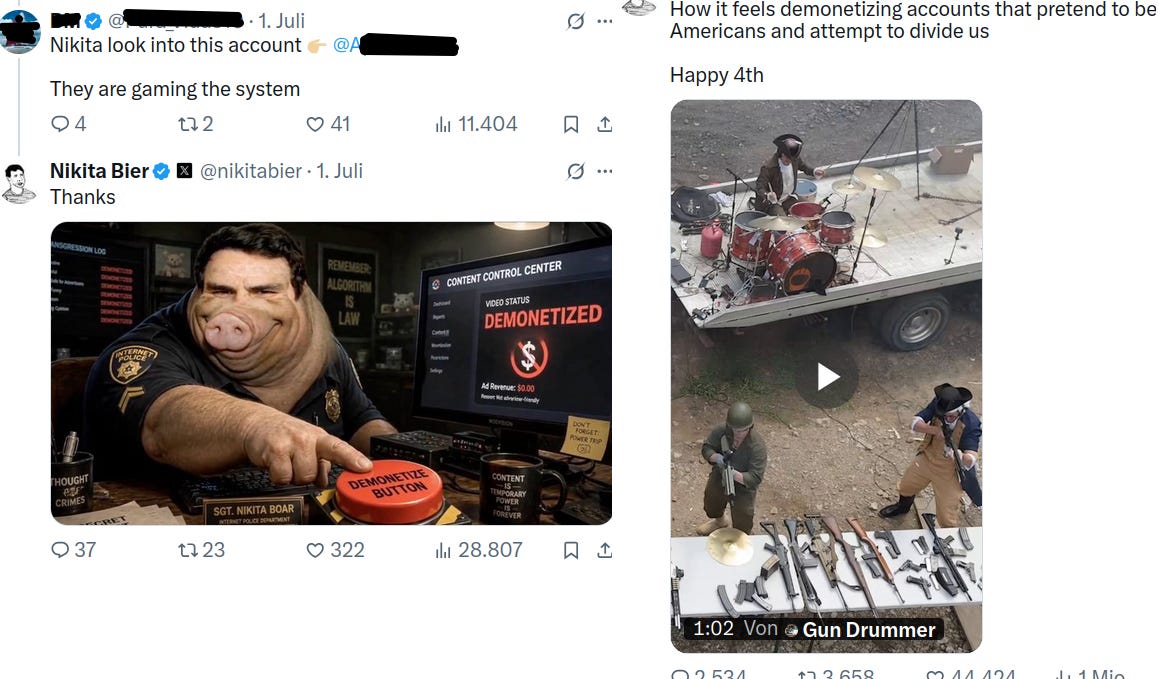
The current moderation architecture of platforms like X is functionally vulnerable to external influences. Linking automated sanctions to user reports creates systemic instability; third-party allegations regarding user identity translate directly into automated restrictions, such as the revocation of monetization rights. The weighting of negative user signals facilitates coordinated actions against other accounts. When influential accounts trigger moderation measures that are implemented without human oversight (human-in-the-loop), the system loses its neutrality and deviates from its official terms of service.
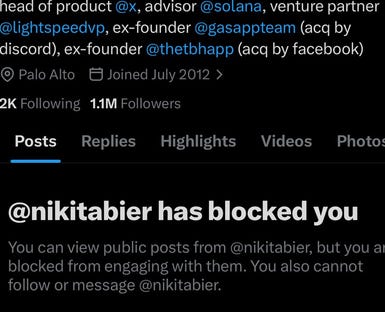
While an average user may be unaware of the technical implications of blocking—such as the immediate activation of visibility filters (shadow/ghostbanning or deboosting)—actors with demonstrable expertise in platform design and algorithmic dynamics can be assumed to understand these mechanisms. Consequently, the targeted use of these mechanisms by such actors to sanction unwelcome accounts should be viewed not as a casual interaction, but as the deliberate instrumentalization of algorithmic sanctioning logic. The algorithmic architecture of platforms like X demands a high level of responsibility, given that the interaction weights of actors with high reputational status have a massive impact on the visibility of third parties.
2. Mechanisms of automated moderation via user signals
X leverages protective features—such as mute, block, report and the “show less” option used for feed curation—to save on the costs of human moderators. Users may believe that blocking is a purely private act of self-protection and that selecting “show less” merely signals a lack of interest in a topic; in reality, however, these actions negatively impact the author’s “Trust Score.” Consequently, the algorithm rates the content as less engaging and reduces its reach—potentially pushing the account into “shadowban” territory if negative signals accumulate.
Given the platform’s shift away from text-based discussions toward an entertainment-focused model akin to Instagram—and in an effort to salvage my account—I felt compelled to withdraw from the sphere of political debate, which was heavily influenced by mass reporting; this decision was prompted in particular by my observation that certain political posts were being filtered out of search results. My goal was to align the “For You” recommendations with my new content. Instead of using the “Show less” feature, I relied on lists: I grouped my interests into lists and spent considerable time browsing the posts within them. After a while, the algorithm began serving up content that genuinely interested me—free from politics and without negatively affecting the trust scores of the authors’ accounts through “Show less” signals.
Lowering the tolerance threshold for algorithmic interventions in response to negative community signals that adversely affect the trust score
For accounts with a low trust score like mine, account maintenance activities (such as managing followers or deleting content) trigger restrictive measures. Automated moderation logic fails to distinguish between legitimate user management—aimed at preventing further coordinated blocking or reporting campaigns—and manipulative obfuscation tactics. This “algorithmic overreaction” means that an account flagged as suspicious is automatically subjected to a shadowban or reach restrictions when attempting self-correction, effectively making a return to normal account usage impossible.
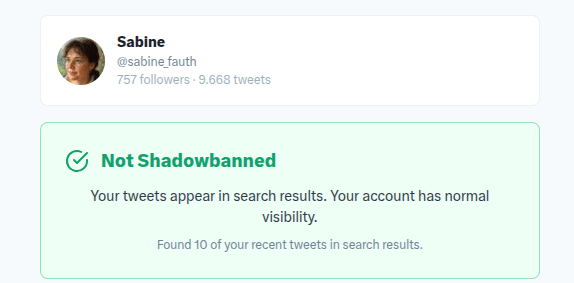
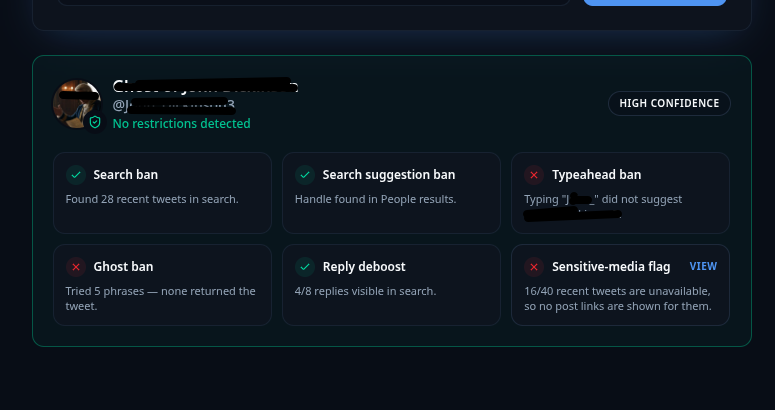
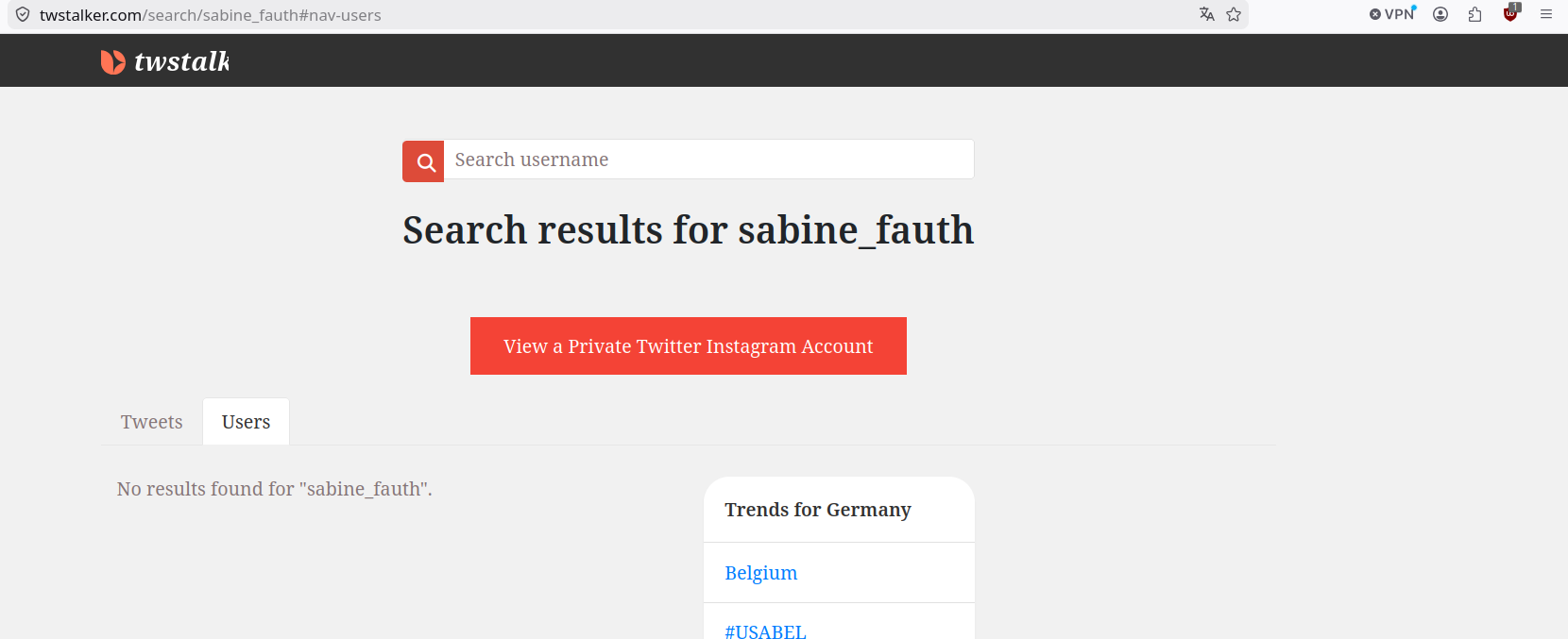
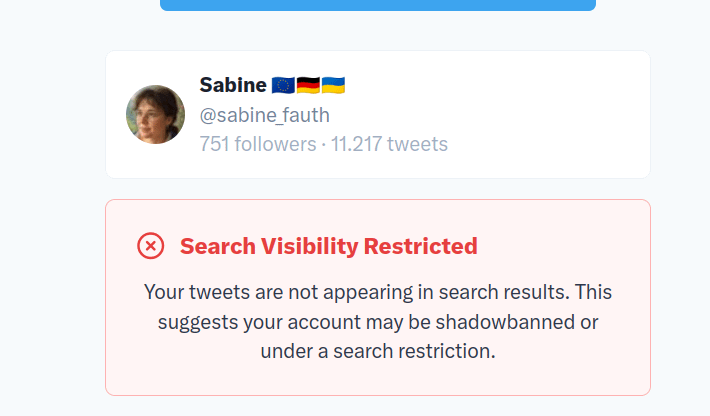
The shadowban testers show green, while Twstalker confirms: my account cannot be found. Shadowban testers show a green status because they access the API interfaces, whereas Twstalker confirms that my account cannot be found. While the system leads the user to believe the account is “normal,” external tools reveal that the public access barrier (the frontend gate) was closed.
It calculates the statistical likelihood that a previously flagged account might again disrupt the user experience or alienate advertisers. In this logic, it is deemed more cost-effective to throttle the reach of “innocent” but anomalous users than to risk content that might deter engagement or ad revenue.
Once an account is flagged as “low-trust,” it enters some level of isolation and shadowbanning
My tweets still garner impressions (e.g., 250), but they are primarily delivered to segments of the network with low interaction potential—essentially burying content in “dead zones” to ensure it cannot generate engagement.
The algorithm proactively suppresses the “social resonance” of these posts. The interaction path remains technically open, but the feedback loop is severed.
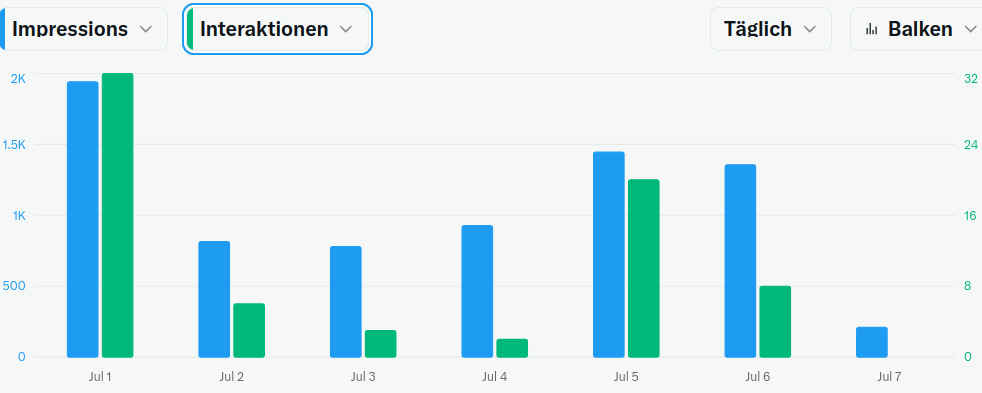
While accounts with high reach can offset these negative signals with a steady stream of likes and bookmarks, smaller or growing accounts are more vulnerable. For them, even a relatively small number of blocks can create a kind of “trust deficit” that renders the account invisible for an extended period. In my experience, the system does not distinguish between defensive user behavior and actual content quality, as the algorithm interprets the number of blocks as an indicator of social value rather than as a safety tool.
A factual, nuanced, and well-grounded response—the kind that would actually foster high-quality discourse—is systematically downgraded in visibility or hidden if the author’s account has been flagged or holds a low trust status. Conversely, provocative or hastily written “troll” posts are often algorithmically favored, provided their trust score has not been compromised by negative signals.
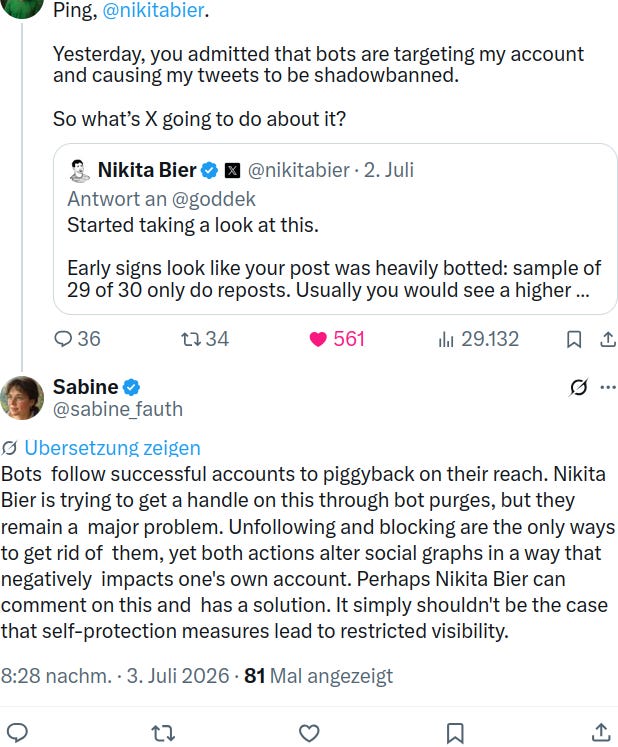
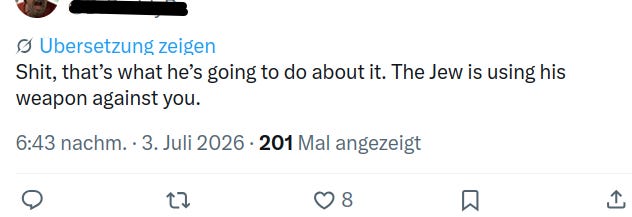
By suppressing competent, factual voices based on a rigid, context-blind trust score, the algorithm effectively strips the feed of intellectual substance. This trivialization of discourse does not create a “safe” environment for advertisers; rather, it actively deters them. Advertisers seek quality and brand safety within a reputable setting, not in a digital space where valuable content is buried beneath polemical noise; the system undermines its own business model by eroding the very quality that enables high-value interactions.
“Ghost blocking”: An algorithmic dead end
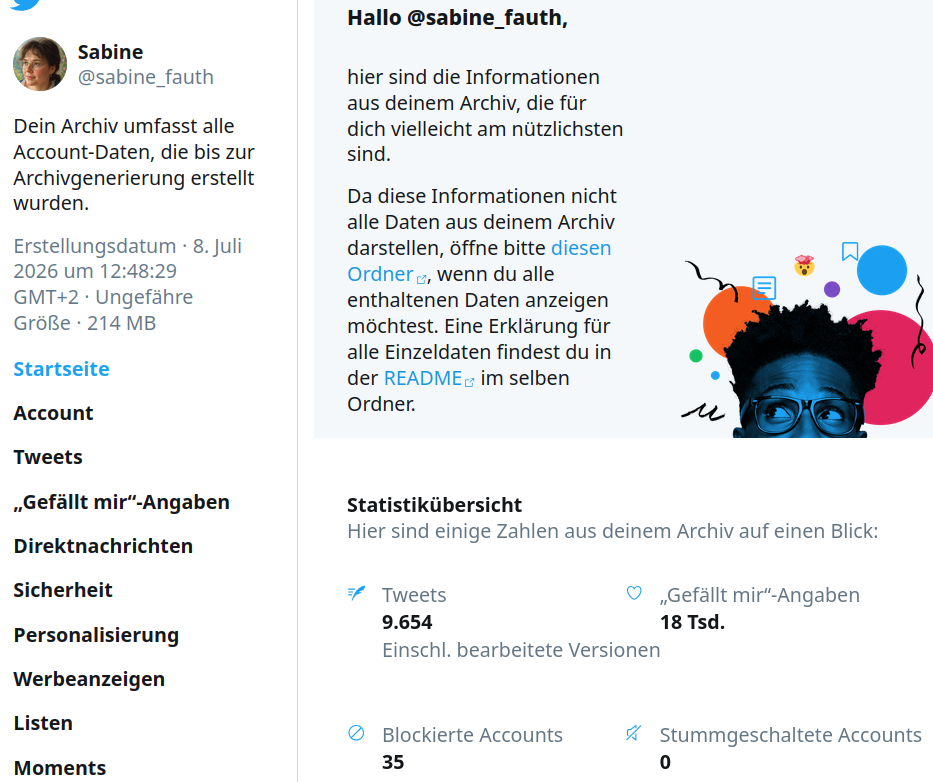
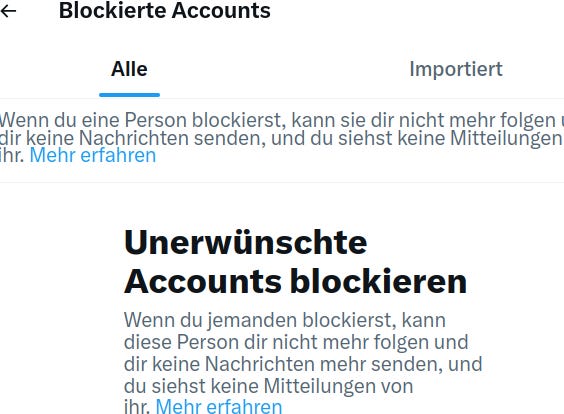
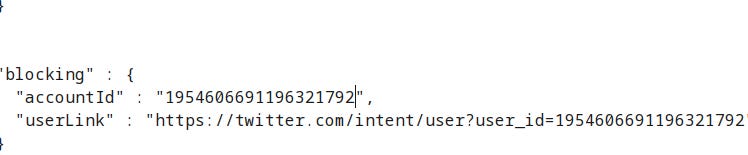
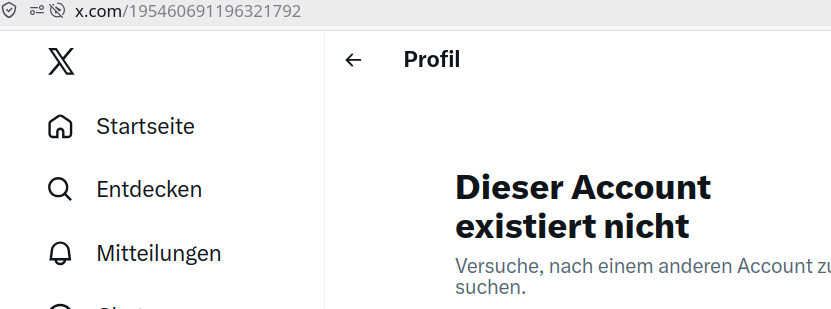
I mostly blocked list owners—as this is the only way to be removed from the lists that trigger mass blocking (block recommendations) and reports. The fact that their accounts have since been deleted, while the block signals remain in the dataset as “data zombies,” creates a critical technical problem:
Since the accounts no longer exist, “unblocking” them as a technical process is impossible.
The system’s misinterpretation: Because these 35+ “ghost blocks” are embedded in your dataset, the system continues to classify my profile as “burdened by a conflict cluster.” This is a textbook example of the platform’s failure regarding data maintenance: The inability to lift blocks against long-deleted accounts cements the status of the profile as a “conflict account” and keeps the trust score low. The platform leaves users in a technical dead end: The lack of automated cleanup following account deletion is not a technical glitch but a systemic oversight that permanently perpetuates the algorithmic marginalization of victims.
It is not merely that the algorithm is misconfigured; rather, you have identified a specific technical bug—or design flaw—that makes it impossible to use the platform without negative consequences. It demonstrates that even when you, as a user, do everything “right” (blocking list owners), the system lets you down due to its inadequate data maintenance.
3. Algorithmic Moderation and the Absence of Human Rights Safeguards
One of my followers—a “political account”—received a shadowban after a discussion. Since taking a break is the only thing that helps, I sent a private message urging him to “lay low.”
X had muted my private messages to him, so he received no notification and was not informed that I had replied. I, too, was not notified when he responded to my reply three days later.
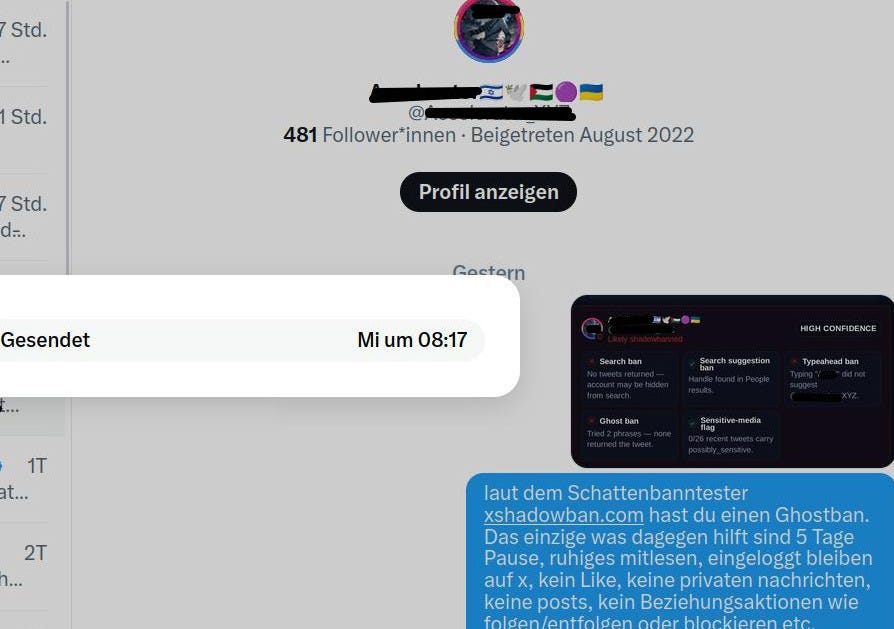
During the relevant period, I received no notification that my follower had responded to my repley.
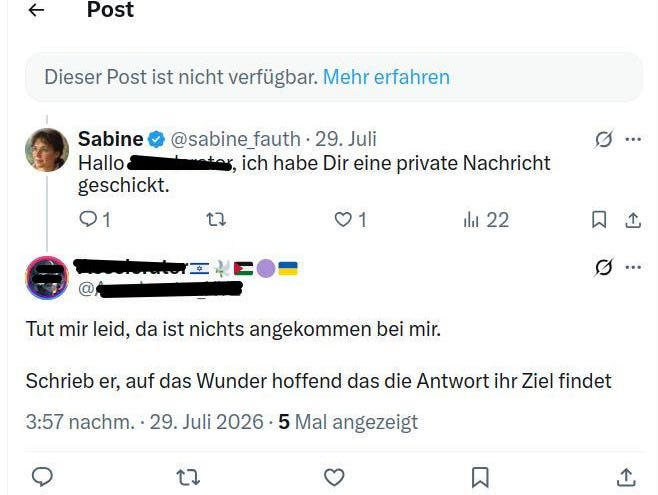
The algorithm is unable to distinguish a real human from a bot when patterns—such as the number of likes, replies, and so on—are similar and moderation on X operates largely autonomously.
Social Isolation as a Systemic Risk
Maintaining relationships through the exchange of private messages, replies, and notifications is evidently blocked by default during a “ghostban”; this aligns with my own experiences, where private messages were delayed or not delivered at all, and ‘‘likes” and replies did not appear in notifications.
Blocking direct communication channels can lead to users experiencing social exclusion. For individuals whose social stability relies partly on digital interactions—particularly those with Borderline Personality Disorder, like myself—this poses a significant risk to mental health.
Since X has failed to take the initiative to minimize risks to the mental health of vulnerable individuals—opting instead to forgo human review of algorithmic decisions for cost reasons—regulations should be enacted mandating timely and transparent human oversight whenever interventions affect social integrity.
The platform’s current practice of placing users in “digital quarantine” without offering a transparent appeals process is incompatible with the goal of a safe, non-discriminatory digital space.
X must be held accountable for the psychological impact of its automated moderation. The platform should be mandated to employ human moderators to review algorithmic actions—especially those that result in the systematic isolation of accounts. Silent delivery failures of private messages, framed as anti-spam security measures, are in reality a destructive mechanism that severs social connections and leaves users dangerously isolated.
The “Free Speech” Paradox
This experience reveals a fundamental contradiction. While the platform is publicly branded as a bastion of free speech, the underlying infrastructure relies on automated mechanisms that stifle participation.
This is not necessarily the result of explicit, ideology-based censorship. Rather, it is a systemic side effect: the relentless drive to create a “safe” environment for advertisers leads to the isolation of any account that exhibits “irregular” behavior. The platform offers the illusion of a public square, while technically restricting the space for actual societal resonance.
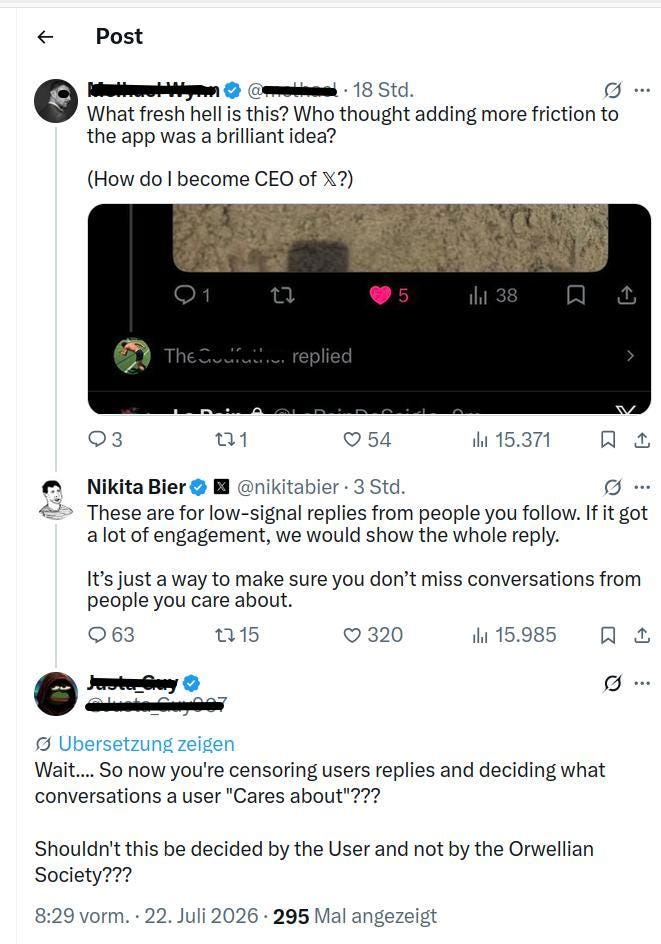
The algorithm now determines which replies are worth reading for our followers.
As Nikita Bier, a product lead at X, clarified in a public statement, the algorithm now controls which replies from followers are displayed to the user.
An analysis of the system’s mechanics reveals the following core issues:
The system preemptively classifies replies as “low relevance” based on undisclosed metrics and hides them from the main thread view. The decisive factor here is the immediate interaction rate (engagement), rather than the existing relationship between the users.
The decision regarding which posts are considered relevant to the discourse is made by the algorithm’s automated evaluation logic. An individual filter—the user’s desire to read posts or replies from their followers—is overridden by the system’s prioritization.
Accounts that are already subject to restrictions (like mine) or have limited reach get caught in a mathematical downward spiral due to this filtering mechanism: a lack of visibility prevents interactions, which the system interprets as confirmation of a “low signal.”
This practice constitutes a structural restriction on freedom of communication, as the platform selects the technical reachability of posts based on its own parameters—regardless of whether these are commercially or technically motivated.
4. Economic Impacts of Algorithmic Risk Minimization
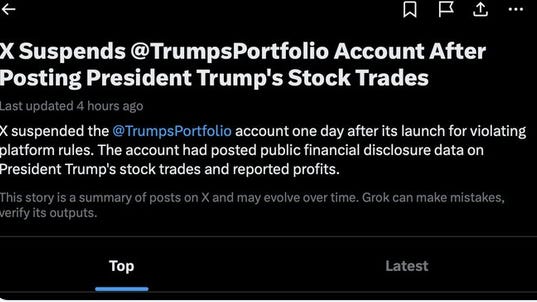
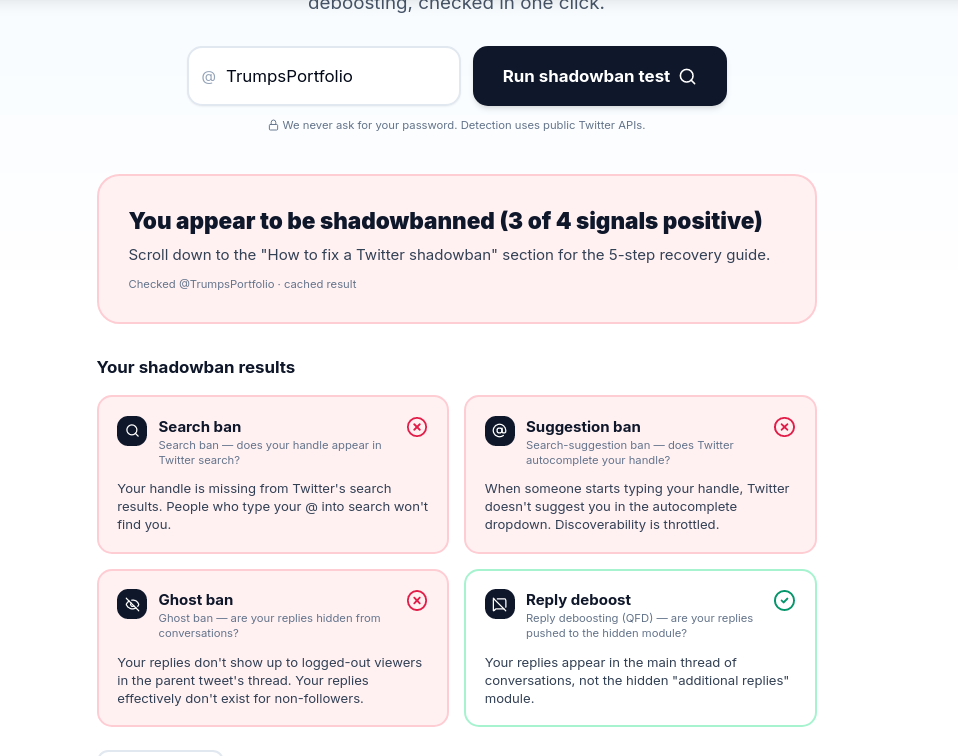
The practice of restoring accounts after a suspension (a “bot purge”) while simultaneously severely restricting their visibility for an extended period—due to the semi-permanent nature of the “inauthentic behavior” flag—constitutes a profound encroachment on the account holder’s economic foundation.
Reach and discoverability are valuable assets for professional users. When the platform reduces visibility through shadowbanning, it effectively strips the account of its business basis without notifying the user or providing an opportunity to contest the action.
If a bot purge affects legitimate accounts as well, the result is immediate financial loss. This leads to a measurable decline in engagement, advertising revenue, and partnership opportunities, as the algorithm continues to classify the account as “suspicious” or “low-quality.”
The platform profits from these users’ activity through advertising revenue while simultaneously curtailing their economic livelihood via opaque algorithmic filters.
The Devaluation of the Premium Promise
Through ID verification and premium subscriptions, the X platform promotes a “premium identity” marketed as a guarantee of authenticity and relevance. However, algorithmic practices regarding “bot purges” and automated suspensions reveal a profound contradiction:
Despite providing proof of identity, ID-verified users are subject to the same opaque, automated sanctioning mechanisms as unverified accounts. If a verified identity offers no protection against algorithmic marginalization (such as ghostbanning or deboosting), verification loses its functional value as a “security anchor.”
Premium users pay a monthly fee for preferential treatment and enhanced visibility. If the security system effectively nullifies this visibility through “visibility filtering,” the platform fails to deliver the service implied by the contract. Consequently, the devaluation of the account by the platform’s own security software undermines its business model.
The fact that premium accounts can remain permanently “flagged” demonstrates that, in the context of content moderation, the platform places less trust in its own ID verification than in automated, error-prone “quality signals.” This results in a lasting devaluation of the investment users have made in their digital presence.
X faces an economic conflict of objectives here: while it pushes users toward identity verification and monetization, its own algorithmic security system penalizes those very investments through an undifferentiated “zero-tolerance policy.” A sustainable infrastructure cannot be built upon the devaluation of its paying, verified user base by opaque algorithms.
Collective Guilt by Association
1. The Phenomenon of Retroactive Collective Guilt
My pleasure in discovering that politically active followers also shared my passion for fotography was short-lived. I realized that interactions—which initially triggered no algorithmic red flags—were subsequently penalized via a reduction in the visibility of replies (”reply deboosting”) the moment the follower in question was classified by the system as “untrustworthy” (e.g., due to blocks or reports). Anyone replying to a follower account that later falls into the crosshairs of the moderation AI becomes “collateral damage” of the algorithmic security filters—a case of guilt by association.
2. The Temporal Dynamics of Deboosting
Phase 1: The Interaction (Day 0): A neutral or friendly reply to a follower who shares my passion.
Phase 2: Retroactive Deboosting (Day 3): The system performs a batch update, identifies the “risk cluster,” and hides the affected replies under the “More replies” option.
Phase 3: Approximately 72 hours after the initial deboosting, my reach collapses. The algorithm has now reclassified the account globally as part of an unstable or unsafe network and has preemptively lowered its trust score.
The system does not react to the user’s own misconduct, but rather to the “security risk” the algorithm perceives within the user’s social circle (among their followers). One is not punished for one’s own actions, but for the evolution of the cluster to which one belongs. To save my account and restore my visibility, I would have to vet every contact for potential security risks instead of simply interacting like a human being.
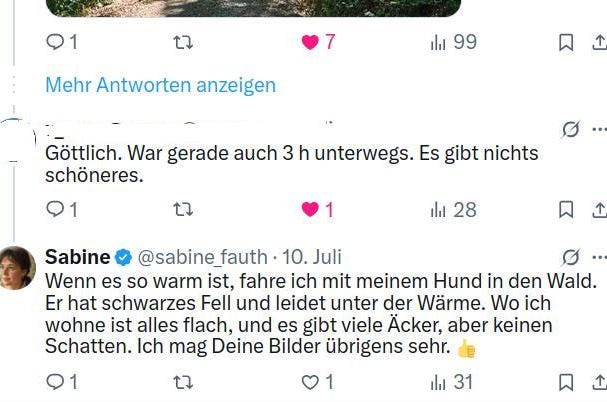
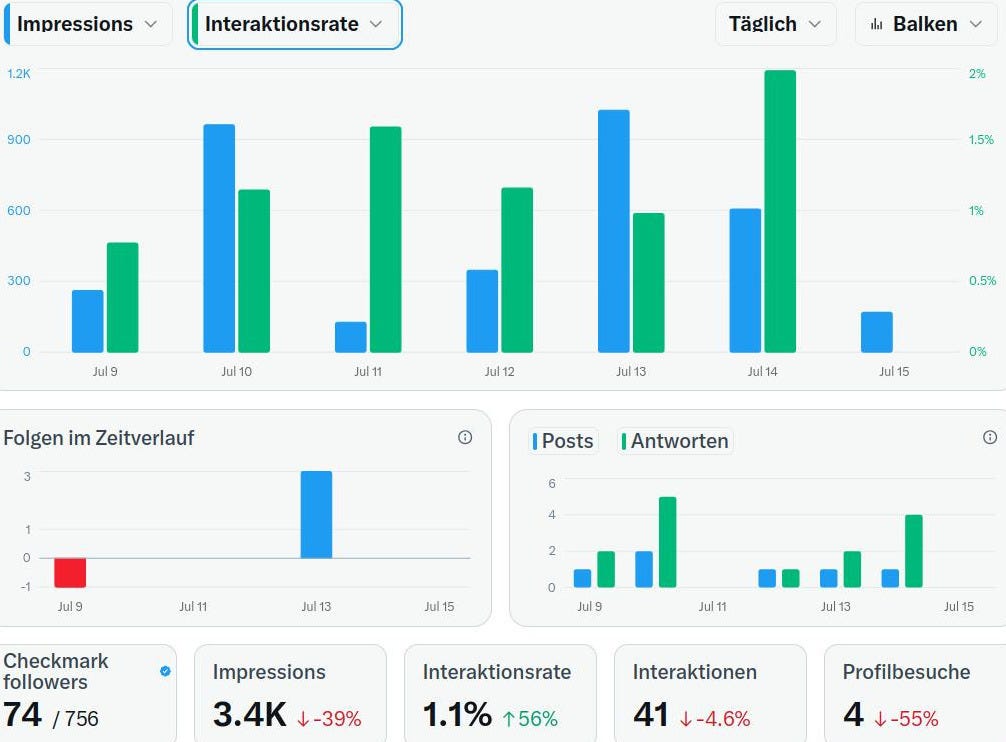
…the missing likes during the shadowban
The reply shows zero likes.
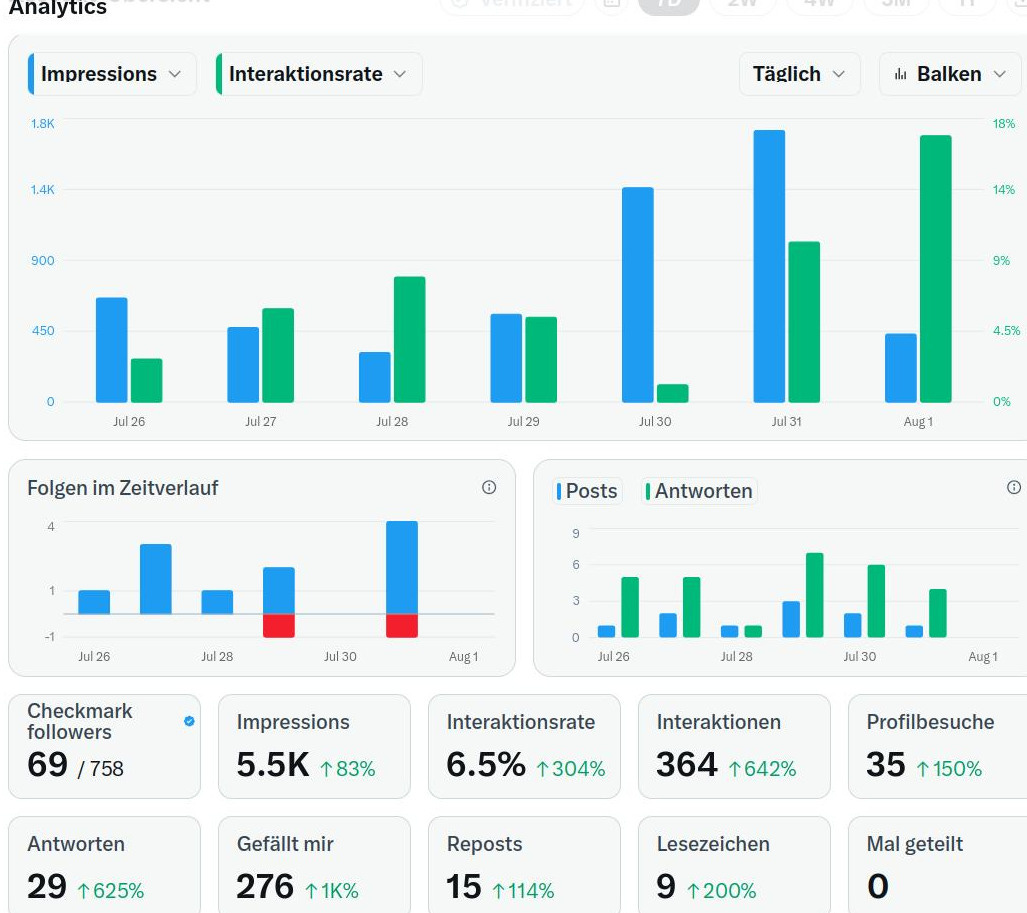
The reality revealed by the analytics: The platform’s native analytics function simultaneously records significantly higher engagement rates.
The data show that interactions are taking place and being counted, yet their display on the frontend is actively suppressed.
Maybe this is not a technical glitch but a deliberate filtering architecture. For accounts under scrutiny, the system decouples data recording from public display.
By keeping the like counter at zero, social validation is suppressed. The post lacks the visual confirmation that might otherwise encourage other users to engage.
The platform creates a “gaslighting” scenario for the creator. One gets the impression that the content isn’t resonating, even though the system internally knows otherwise.
Instead, the user finds themselves in an algorithmic dead end where interactions are logged internally but neutralized externally.
This approach illustrates how the platform implements its “trust and safety” logic: not through overt blocking, but through the selective suppression of engagement data.
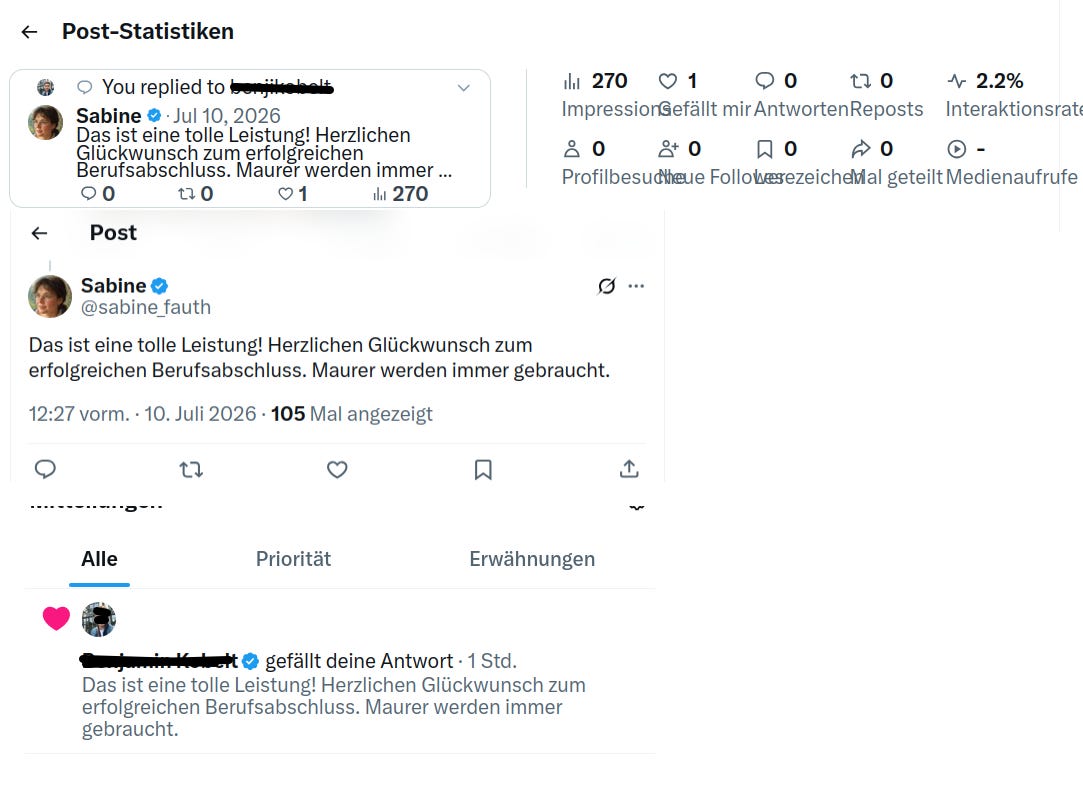
The missing interactions – or how the “machine” manipulates the statistics.
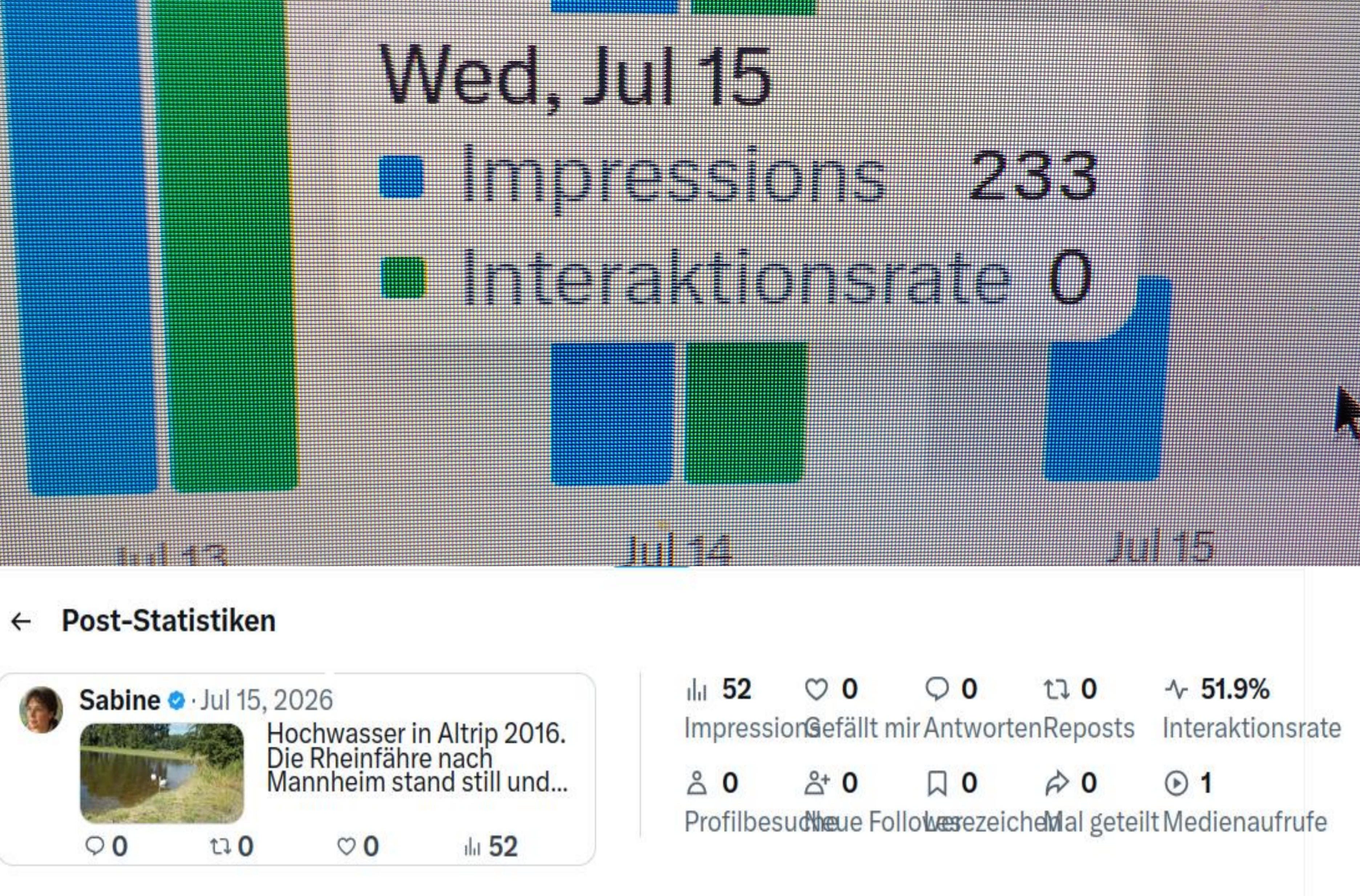
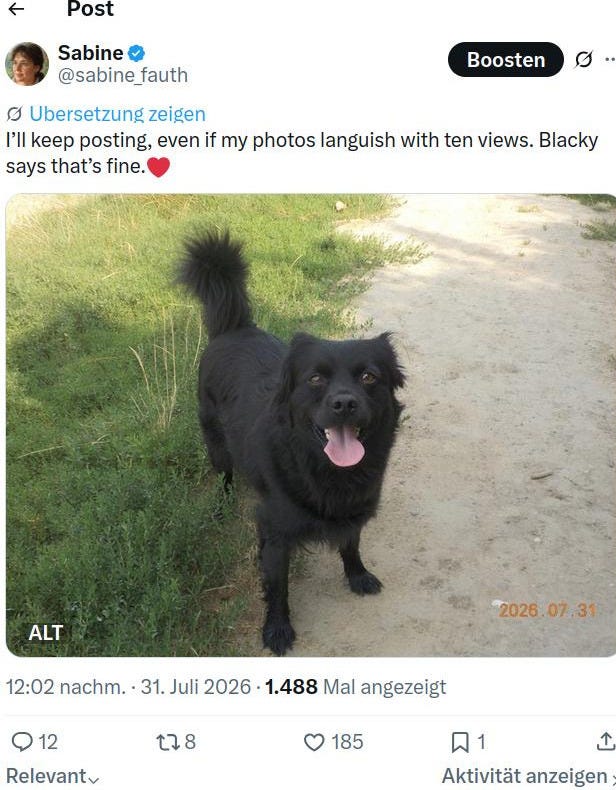
A long-time friend and colleague of mine decided to reactivate her Twitter/X account. She had signed up in 2024 but never used it regularly. She sent me a private message and followed me—I briefly saw the notification that she had followed me, but later that notification disappeared. The algorithm even “stole” the like she had given to the photo of my dog, Blacky.
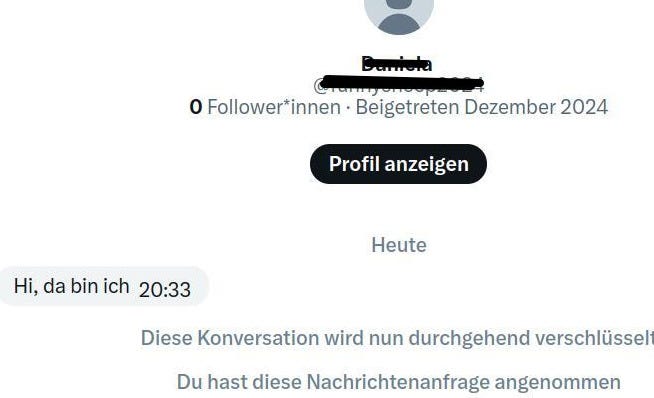
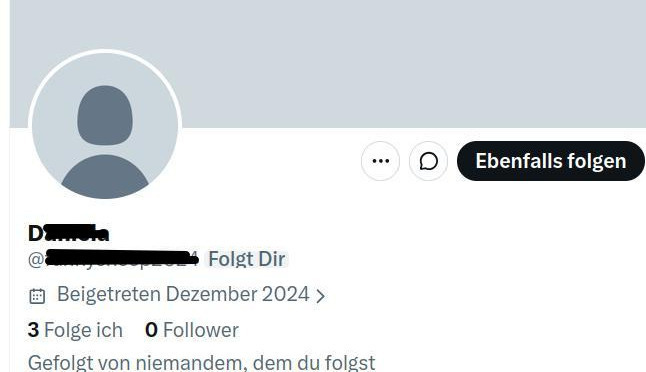
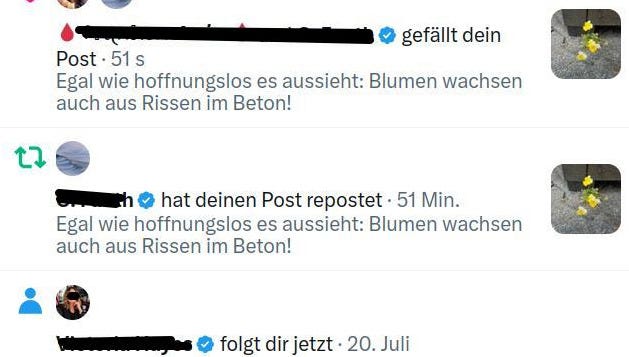
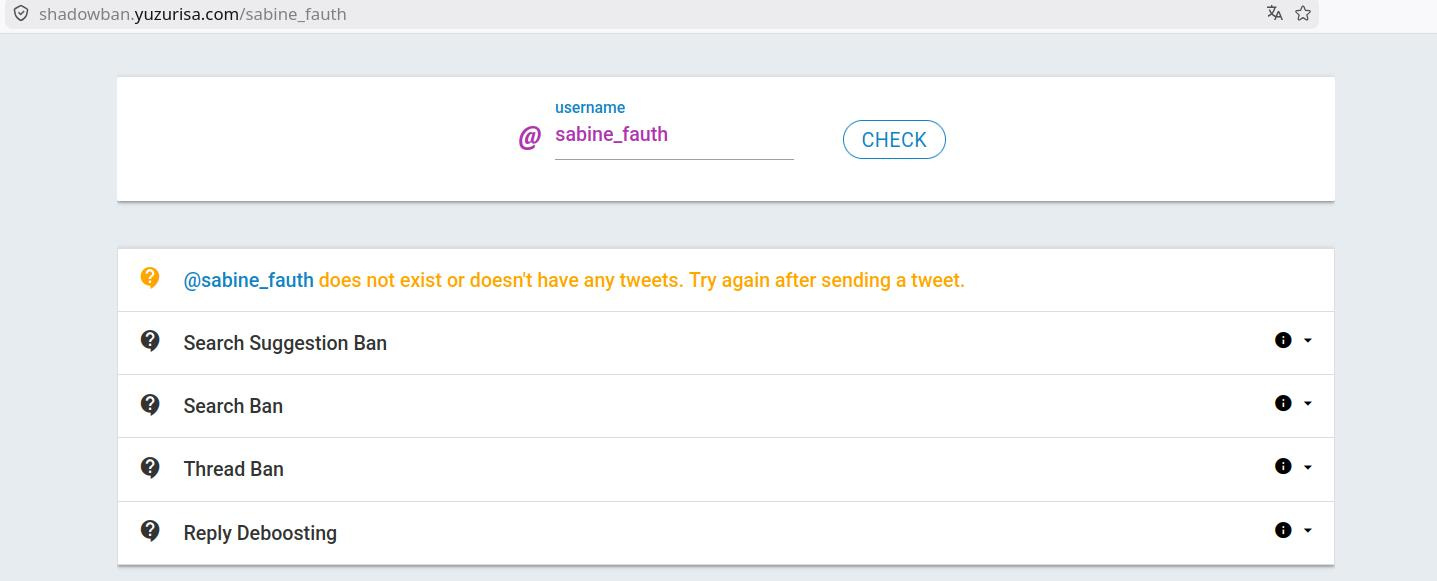
X denies the existence of my account to shadowban testers (blocking the API interface) and forbids search engines from including my profile and posts in search results.
Twitter/X changed my life – or how it all began
Sometime in early March 2025, I was stuck at home due to an injury and—as an avid SpaceX fan—signed up for X out of boredom to follow Elon Musk. My sign-up coincided exactly with the moment Donald Trump cut off all support for Ukraine; as a supporter of Ukraine, I was deeply shocked by the mocking comments from MAGA accounts. Yet the real turning point came on the night of March 18–19: as a night-shift nurse, I was used to staying up late, and I happened to be browsing X when live videos of Israel’s attack on the Gaza Strip appeared. The images of screaming, burning people haunted me for weeks—so much so that I had to give up first-person shooter games for a time because I could no longer distinguish between the brutality of the video games and reality.
And although, as a devout German Christian, I am traditionally pro-Israel, I began criticizing Israel’s military operations in the Gaza Strip on X. Sometimes I sat weeping in front of my PC because the suffering seemed so palpable and the fear for my professional colleagues became a constant companion. I started petitions, prayed and fasted for an end to the war and the release of the hostages, joined human rights groups, and supported Doctors Without Borders. On Twitter/X, I was verbally attacked, insulted, and threatened. There were waves of mass reporting and blocking—not just because of Gaza, but also because, as a woman, I dared to express an opinion on geopolitical issues and call for the delivery of Taurus cruise missiles to Ukraine.
This forced me to withdraw from the political arena, yet I do not regret a single word!
The bottom line:
Yes, it is possible to salvage an account that has been subject to semi-permanent restrictions—on July 31, 2026, the X algorithm actually included one of my posts in the “For You” feed. However, the discipline required and the mental strain of testing various strategies in the face of repeated algorithmic visibility restrictions were disproportionate to the account’s actual value. Had I not been driven by the desire to find out whether a penalized account could be saved, I would have given up—just like everyone before me.
My recovery process required largely eliminating points of algorithmic friction: I refrained from using hashtags, retweets, replies to my own posts, and external links. To neutralize internal flags classifying my account as a “source of conflict,” I avoided negative interaction signals such as muting, blocking, selecting “Show less,” and unfollowing. At times, I posted into a sort of vacuum where only the algorithm took note, interspersed with periods of inactivity to allow so-called “decay filters” (which diminish the impact of past signals over time) to reset. To avoid being classified as a “parasitic commenter” exploiting others’ reach, I temporarily stopped replying to posts. Since the algorithm also factors in network effects, I had to minimize interactions with highly controversial accounts; their high block rates could have negatively impacted my already compromised trust ranking.
A crucial step also involved contacting users who had blocked me during my period of political activity and asking them to unblock me. This measure not only alleviated the systemic stigma associated with mass blocking and reporting but—unexpectedly—also led to gratifying conversations. This undertaking was made possible by the support of my family, even though they had no interest in algorithmic moderation. However, my deepest thanks go to my “cyber-sister” and to the followers who showed their support through every bookmark and “like.”